![Best Walking Trails in Dalmatia: A Guide to Croatia’s Stunning Paths [2025]](https://justifyli.ops.vienna.llm.kiwi/wp-content/uploads/2025/07/best-walking-trails-in-dalmatia-a-guide-to-croatias-stunning-paths-2025.jpg)

Dalmatia stretches along Croatia’s Adriatic coast, blending historic towns, crystal-clear sea, and dramatic mountain backdrops. For walkers, the region is a goldmine of trails, each promising different sights—from pine-scented islands and pebbly beaches to ancient olive groves and wildflower meadows. This mix of coastal walks, island paths, and scenic mountain routes draws nature lovers and adventurers year-round. Whether you’re looking for a relaxing stroll by the sea or a challenging trek with panoramic views, Dalmatia’s diverse trails offer something for every pace.
Why Dalmatia is a Walker’s Paradise
From ancient olive groves to sunny shoreline promenades, Dalmatia feels made for walking. This coastal stretch of Croatia delivers more than just beautiful views. It brings together a mild Mediterranean climate, varied terrain, and easy access to trails for every kind of walker. Let’s look at what makes Dalmatia stand out when it comes to exploring on foot.
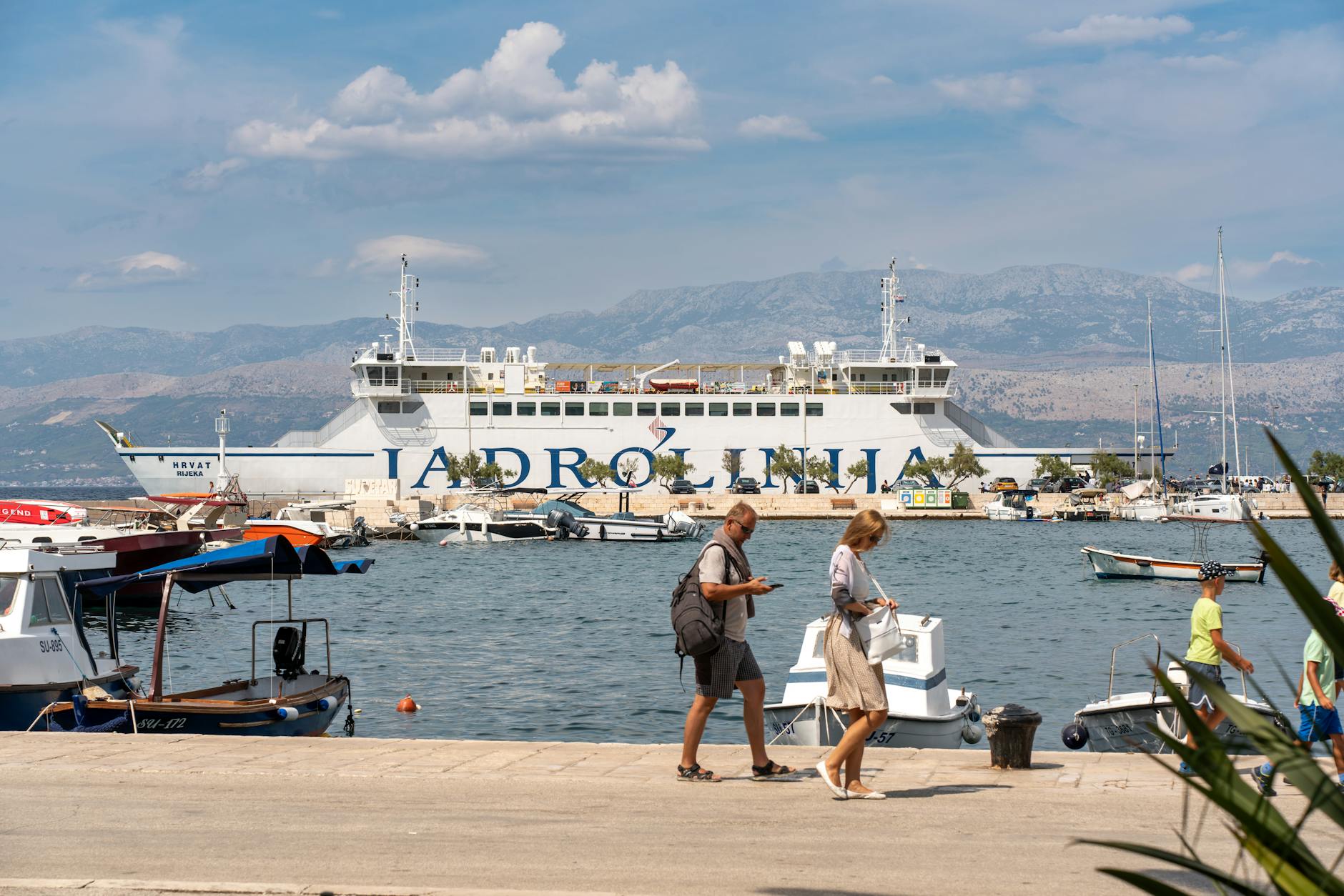 Photo by Vladimir Srajber
Mediterranean Climate: Perfect for Outdoor Adventures
Dalmatia enjoys mild winters and hot, dry summers. This climate lets you walk almost year-round, with spring and early autumn being especially comfortable. The sea breeze cools coastal trails while the inland hills offer refreshing shade. Unlike more northern hiking regions, you rarely need to worry about extreme cold or heavy rain. The scent of pine and wild herbs fills the air, making even a short stroll a treat for your senses.
Varied Terrain for Every Walker
Every step here brings a new surprise. Dalmatia’s geography includes:
- Gentle seaside paths: Great for families and casual walkers.
- Rocky coastal trails with dramatic sea views.
- Mountain routes winding through limestone peaks.
- Island footpaths and forested hills.
Whether you want a relaxed coastal loop or a summit trek, you’ll find it. The region is packed with options, from the pine forests of Marjan Hill above Split to the rugged heights of Biokovo Mountain. For more details on trail options, the 10 Best trails and hikes in Split-Dalmatia offer a helpful overview.
Rich Biodiversity and Natural Beauty
Dalmatia is a hotspot for plant and animal life. Trails cut through wildflower meadows, olive orchards, and Mediterranean scrub. In spring and early summer, look for orchids, butterflies, and birds. Sun-drenched stone terraces hug the hillsides, while quiet coves and pebble beaches invite a dip or picnic. Walking here, you’re never far from both sea and shade.
Accessibility and Well-Marked Routes
Getting onto the trails is simple. Towns and islands are connected by ferries, buses, and marked paths. Many routes start right in city centers or harbors, so you can set out with little planning and no car needed. Waymarking and local hospitality make it easy for visitors at any experience level, whether you want a quick stroll or a full-day adventure. For a snapshot of what’s possible, check out the best Dalmatia hiking trails that travelers consistently rate highest.
Culture and History at Every Turn
Walking in Dalmatia isn’t just about nature. Paths often cross Roman roads, medieval fortresses, tiny fishing villages, and centuries-old chapels. The rhythm of rural life continues right beside the trails—shepherds tending sheep, locals harvesting figs, and olive groves still worked by hand. Every trail tells a story, offering authentic glimpses of Croatia’s past and present. For those keen on both history and hiking, Dalmatia is a true open-air museum.
Whether you’re a seasoned hiker or just enjoy a seaside amble, Dalmatia welcomes you with open paths and open arms.
Top Coastal Walking Trails in Dalmatia
Dalmatia’s coastline is famous for its beauty, and several walking trails wind along the sea, each promising unique views and memorable experiences. Whether you want a quick climb for panoramic cityscapes, a leisurely stroll with the family, or a quiet escape surrounded by wild nature, you’ll find a path that feels just right.
Marjan Hill, Split: Panoramic Vistas and City Heritage
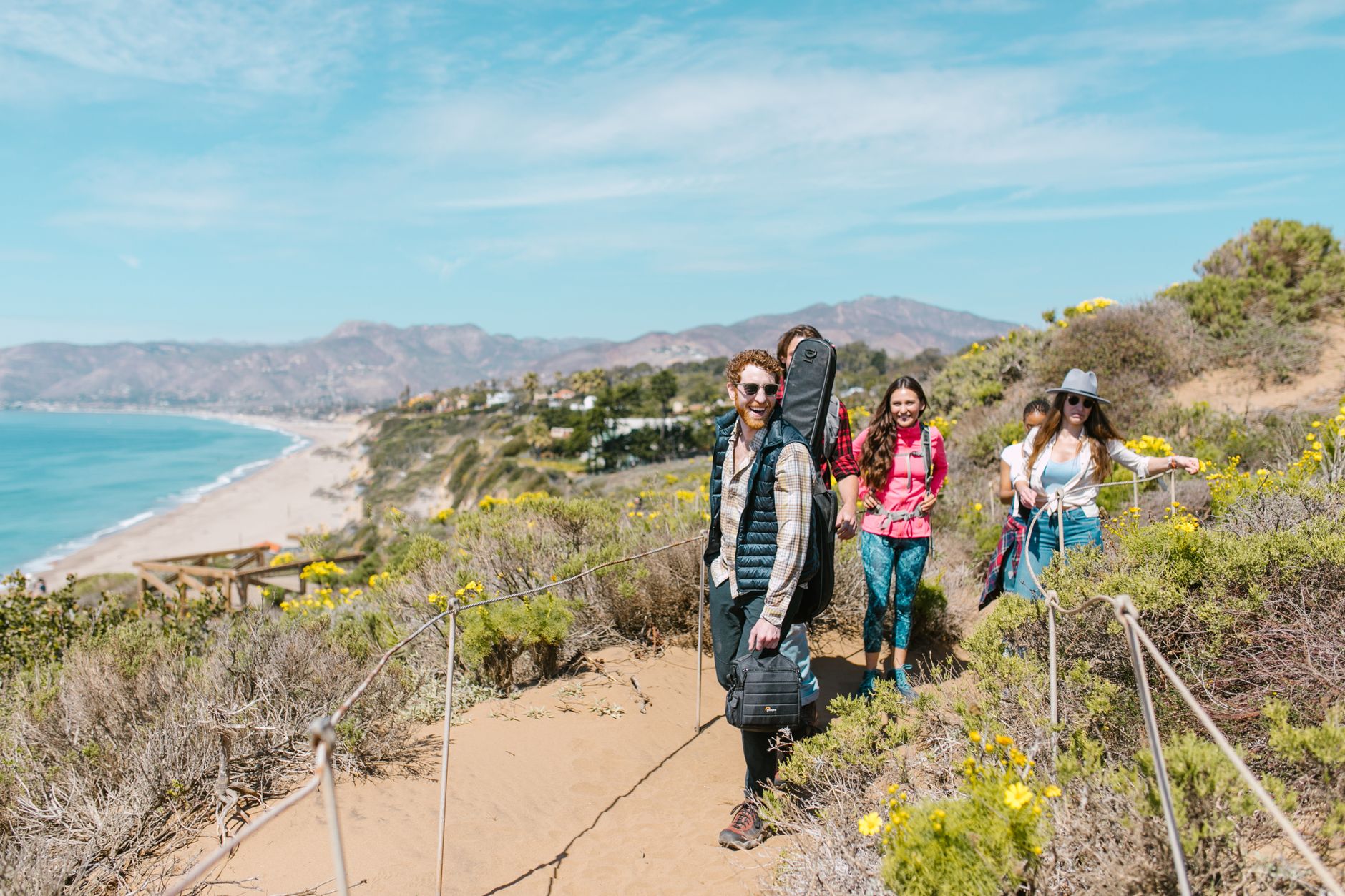 Photo by RDNE Stock project
Marjan Hill rises above Split like a green guardian, making it an ideal spot for walkers who want both nature and city views. A network of easy-to-follow trails weaves through dense pine forests, offering cool shade and fresh sea air. From the hill’s viewpoints, you get sweeping panoramas of Split’s terracotta rooftops, the Adriatic Sea, and nearby islands.
Along the way, you’ll spot ancient chapels, hidden picnic spots, and quiet benches perfect for soaking up the scenery. The climb is manageable, and you can start your walk right from the city’s waterfront—no need for lengthy transfers or special gear. Marjan Hill is a local favorite for morning jogs, afternoon strolls, or sunset walks.
Makarska Riviera Promenade: Family-Friendly Coastal Strolls
The Makarska Riviera is famous for its clear beaches, pebbly coves, and lively seaside towns. The main promenade hugs the coast for several kilometers, giving walkers easy access to the best spots. This flat, well-maintained path is perfect for casual walkers, families with strollers, or anyone who wants to walk without breaking a sweat.
You’ll pass by shaded pine groves, cafés with sea views, and playgrounds for kids. Benches are dotted along the path, inviting you to pause and watch the boats drift by. The promenade feels lively in the summer but never too crowded to enjoy a peaceful walk. For more about the Makarska Riviera’s top beaches and walking routes, explore this handy guide.
- Highlights along the promenade:
- Beaches ideal for swimming and sunbathing
- Small fishing harbors with colorful boats
- Local markets selling fresh fruit and handmade treats
Šetnica Lungomare, Omiš: Coastal Cliffs and Natural Drama
Omiš may be best known for its pirate history and adventure sports, but its Lungomare walking path gives you a quieter, scenic look at the coast. This trail links several beaches and coves with dramatic cliffs on one side and the sparkling Adriatic on the other. The constant sound of the waves and the scent of wild herbs make every step feel like a reset.
Choose a short section for a light stroll or walk the whole path for a more active outing. Several lookout points offer photo-worthy moments, especially at sunset. It’s a favorite for both locals and visitors, striking a balance between easy walking and wild, natural surroundings. For those looking to experience Omiš beyond its adrenaline activities, the official Omiš tourism site has extra tips for making the most of this stunning walk.
Inland and Mountain Trails Worth Exploring
Sometimes the best views in Dalmatia wait far from the shoreline. Inland and mountain trails pull you into dramatic landscapes, where rugged peaks touch the clouds and wildflowers line rocky paths. These routes are perfect for walkers who crave fresh air, grand vistas, and a change of pace from the coast. Let’s look at two standout areas: Biokovo Mountain and Paklenica National Park.
Biokovo Mountain Trails: Breathtaking Peaks Above the Sea
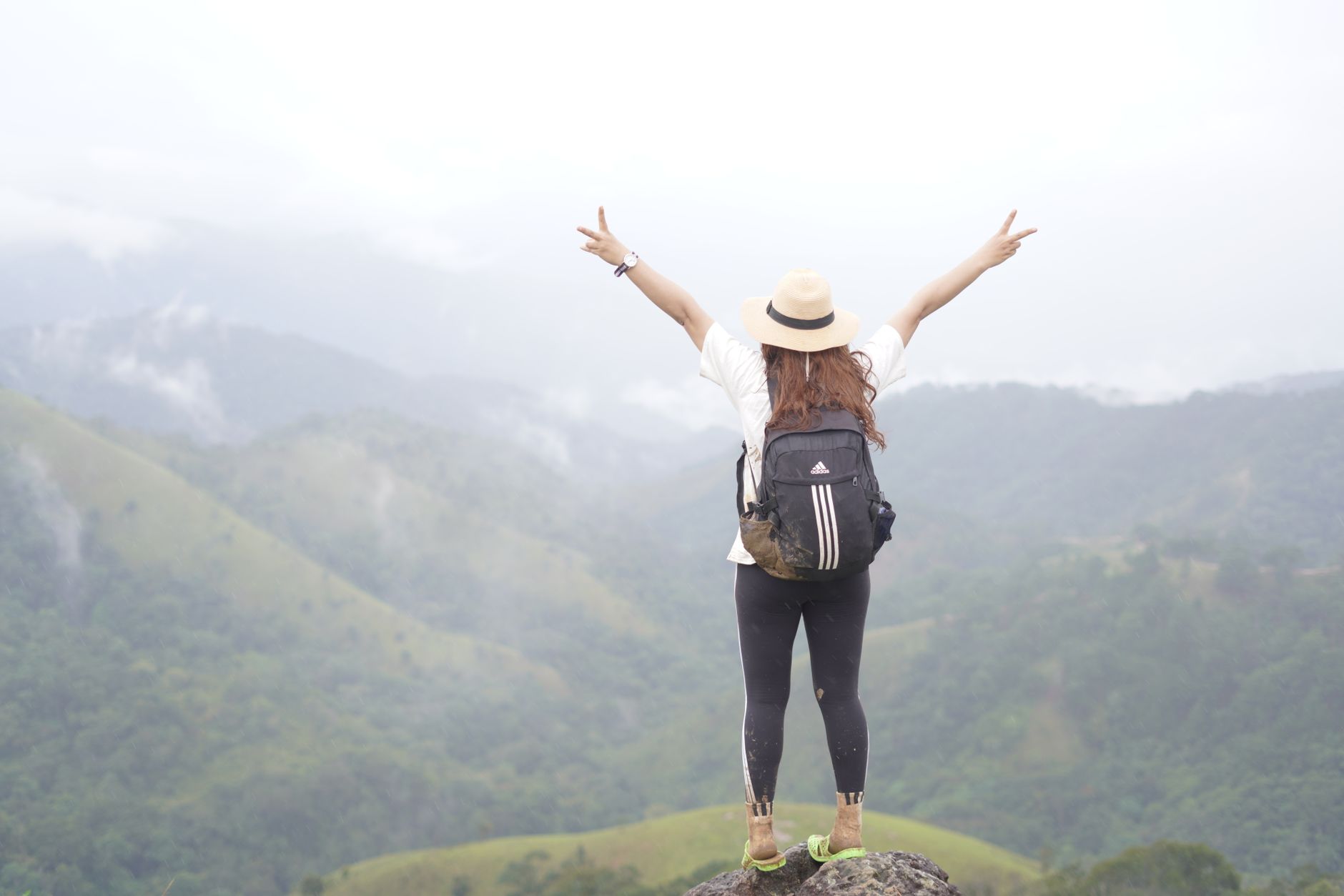 Photo by Xuân Thống Trần
Biokovo Mountain rises sharply above the Makarska Riviera, so close to the sea that on clear days you can spot islands dotting the horizon. The most popular ascent is the Vosac Peak trail, starting just inland from Makarska. This walk is a real highlight for anyone who enjoys panoramic views with every step.
- Vosac Peak Trail: The route to Vosac (1422 m) isn’t just about reaching the top. Along the way, you’ll pass through pine forests, scrub dotted with wild herbs, and rocky slopes teeming with native plants. The summit rewards walkers with some of the best Adriatic vistas in Croatia. Check out the detailed route on the Makar-Vosac trail guide for maps and tips.
Biokovo Nature Park protects rare flora like Biokovo bellflower, and you may even spot wild goats or eagles along the way. The mix of Mediterranean and alpine plants, paired with the sweeping sea below, makes every rest stop a photo opportunity. For those hungry for more, look at the best hikes and trails in Biokovo Nature Park for a full list of walking options.
- Why walk here?
- Very well-marked trails
- Unique blend of coastal and mountain views
- Rich plant life only found in this region
Paklenica National Park: Wild Canyons and Adventure Paths
Paklenica National Park, not far from Zadar, is a walker’s paradise carved by time and water. It’s famous for two deep canyons—Velika Paklenica and Mala Paklenica—that slice right into the Velebit mountains. Here, every walk feels like an escape into wild Croatia.
- Dramatic Canyons: The main path follows Velika Paklenica canyon, with sheer cliffs rising on both sides. The sound of the river, screeching falcons, and rustling trees set the mood for an unforgettable walk. The Paklenica National Park hiking trails guide covers everything from easy strolls to challenging treks.
- Rich Wildlife: The park shelters deer, foxes, birds of prey, and over 1000 plant species. Spring and early summer are especially beautiful with blooming wildflowers and butterflies.
- Trail Choices for All Levels:
- Beginner: Tourist trails from the canyon entrance to Manita Pec cave
- Intermediate: Loops through forested valleys and up stony paths
- Experienced: Full ascents toward mountain huts for those wanting a full-day adventure
For fresh tips and detailed walk suggestions, explore this complete Paklenica hiking guide.
These mountain and inland trails deliver a different side of Dalmatia—quiet, wild, and brimming with natural beauty. If you want to see Dalmatia from above, these paths will not disappoint.
Island Adventure Trails
Dalmatia’s islands are perfect for walkers looking to combine sea views, ancient forests, and the sense of remote peace that only an island offers. Two standouts lead the pack: the lush paths of Mljet National Park and the summit trail of Brač’s Vidova Gora. Each offers a unique take on island adventure, whether you prefer tranquil lakes and deep shade or the thrill of climbing to panoramic heights.
Mljet National Park Trails: Lakes, Woodlands, and Wildlife
 Photo by Kateryna Shliakhta
Mljet often feels like an undiscovered paradise. The national park covers the western tip of the island, wrapping two saltwater lakes—Veliko Jezero and Malo Jezero—in a thick blanket of pine and oak forest. These lakeside trails offer some of the most peaceful walks in Croatia.
What makes a walk here special?
- Lakeside Loops: Well-marked trails circle both lakes, giving you constant water views and easy access to hidden swimming spots.
- Shaded Paths: The park’s dense woodland keeps the sun at bay on even the hottest days. Expect the scent of Mediterranean herbs with every step.
- Wildlife Encounters: If you’re quiet, you might spot rare birds, butterflies, and even herds of wild deer. Early morning and late afternoon are best for wildlife watching.
- Quiet: Even in summer, the park remains calm. The only sounds are your footsteps, the breeze, and the occasional splash of a fish or frog.
A full loop around Veliko Jezero is about 11 kilometers, but shorter rambles are easy to plan. You’ll find small beaches for a quick swim and an island monastery in the middle of the big lake, reached by a short boat ride. For a deep dive into route options and what to expect, check the 10 best hikes and trails in Mljet National Park, or browse this ultimate guide to Mljet National Park.
Brač’s Vidova Gora: Highest Peak, Epic Views
Vidova Gora towers above the island of Brač, holding the title of the highest point on any Adriatic island (778 meters). Climbing to the summit is a classic Dalmatian challenge, but the reward is a view you’ll remember long after your trip.
What sets this hike apart?
- Summit Experience: The trail from Bol leads through pine woods and rocky clearings, steadily climbing until you break free above the tree line.
- 360° Vistas: From the top, the whole southern coast of Brač, the famous Zlatni Rat beach, and the nearby island of Hvar sprawl beneath you. On a clear day, the mainland and distant mountains are sharp on the horizon.
- Multiple Routes: While the most popular way up is the direct trail from Bol, alternate routes loop through small villages and untouched hillsides.
- Perfect Picnic Spot: The summit plateau is open and breezy. It’s a natural picnic spot, so pack a snack and linger with the view.
The return route to Bol is all downhill, making it accessible to most walkers who are used to moderate elevation gain. If you want to plan your walk, the Earth Trekkers guide to hiking Vidova Gora has step-by-step details, and AllTrails lists even more Vidova Gora trail options.
Dalmatia’s islands give you a taste of wild Croatia, where each step brings you away from the crowds and closer to nature’s best views.
Essential Tips for Walking in Dalmatia
Walking in Dalmatia feels like stepping into a world where every path tells its own story. The region’s trails are beautiful and full of surprises, but they can also be rugged, rocky, and sun-drenched. Being prepared is the best way to enjoy your adventure and stay safe. Here are some straightforward tips so every walk, whether on a shaded island path or a mountain ridge, is as rewarding as it is memorable.
Trail Safety: What Every Walker Should Know
Dalmatian trails are well-marked, but conditions can change quickly, especially in the mountains. Reliable footwear and a bit of local know-how make a huge difference.
- Wear sturdy shoes with good grip. Trails can get rocky or slippery, especially after rain.
- Carry enough water. Dalmatia gets hot, and many trails have few places to refill. Aim for at least two liters per person, even on short walks.
- Dress in layers. Start with light, breathable clothes. Bring a sun hat and pack a windproof jacket if you’re heading into the hills.
- Stick to marked paths. Markers are usually red-and-white blazes or stone cairns. Straying off-trail risks damaging fragile plants or getting lost.
- Check the weather before you set out. Storms can roll in quickly, especially in spring and autumn.
- Let someone know your plans. Share your route with a fellow traveler or local host.
- Bring a basic first-aid kit and a charged phone. Reception is usually good except in deep canyons or remote hills.
- For more practical advice, the article on essential hiking safety tips for Croatian trails is a solid resource.
What to Pack for a Day on the Trails
Every walker’s backpack in Dalmatia should cover the basics but also a few extras that keep things comfortable.
- Lightweight backpack
- At least 2 liters of water
- High-energy snacks (nuts, dried fruit, chocolate)
- Sun protection (hat, sunglasses, high-SPF sunscreen)
- Layers (light shirt, windbreaker, extra t-shirt)
- Small first-aid kit (bandages, painkillers, antiseptic wipes)
- Map or GPS app (offline maps are handy if you lose signal)
- Lightweight towel or swimwear if your route passes beaches or lakes
- Camera or phone for photos
Packing right helps you enjoy the views without worrying about the basics. A deeper dive into what to bring can be found in guides like Hiking in Croatia: the best trails and essential tips.
Respect Local Environments and Traditions
Dalmatia’s trails cross private land, ancient olive groves, and protected habitats. Show respect for the land and its people by following a few simple rules.
- Leave no litter. Carry all trash out with you.
- Respect stone walls and property boundaries. Don’t pick olives or figs unless invited.
- Keep noise down, especially near villages and chapels.
- Avoid lighting fires, no matter how tempting a seaside picnic may be.
- Observe local customs. Greet people you pass with a friendly “Dobar dan” (Good day).
This approach helps keep Dalmatia beautiful for visitors and locals alike.
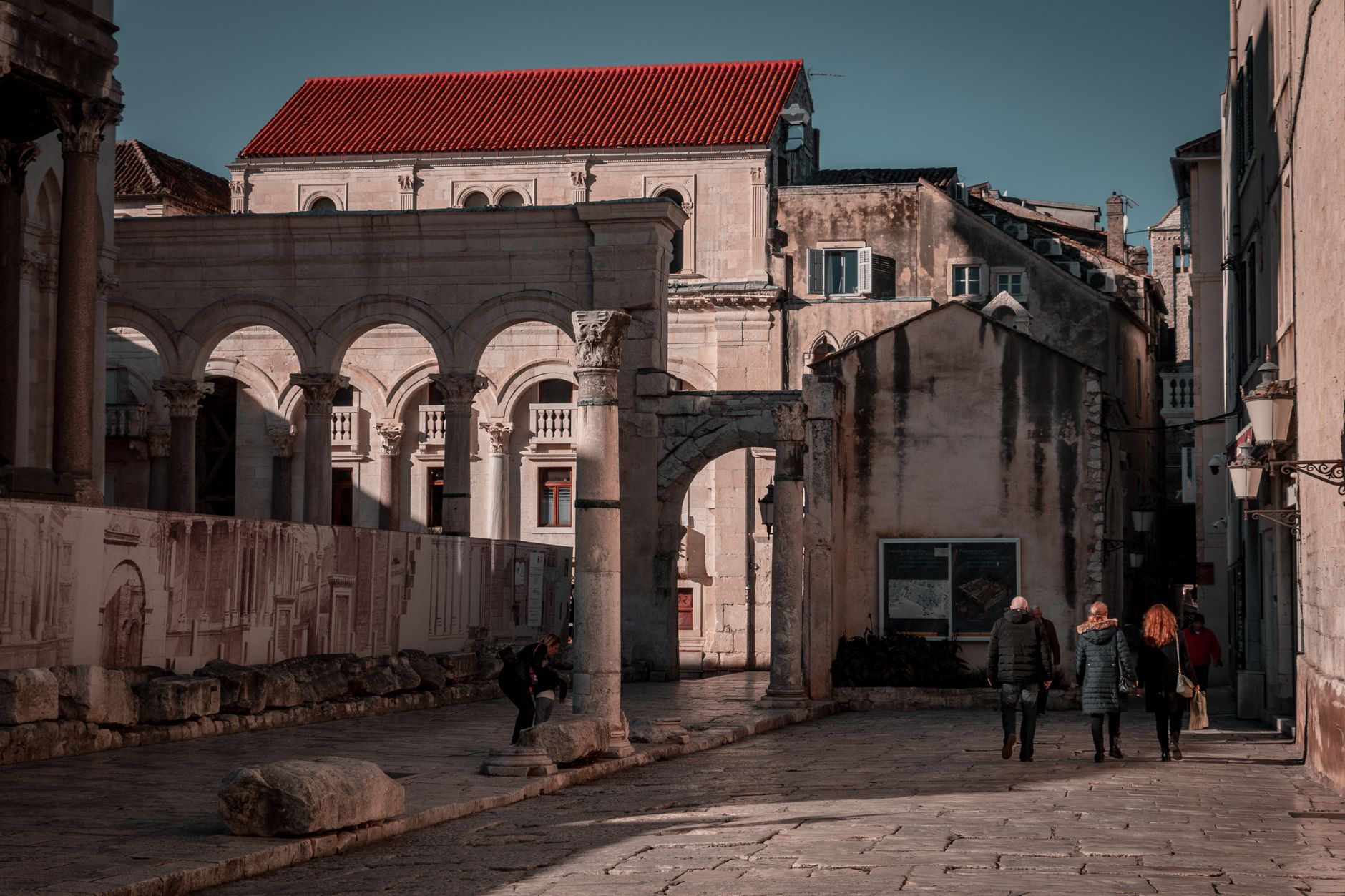 Photo by Zekai Zhu
Best Months to Walk in Dalmatia
Timing matters when it comes to a comfortable and safe walk. The region’s Mediterranean climate means you can walk nearly year-round, but some months stand out.
- April to June and September to October are ideal. The weather is mild, wildflowers bloom, and the trails aren’t crowded.
- July and August are hot and popular. If you walk during these months, start early or choose shaded routes.
- Winter (November to March) sees few visitors, but some lower coastal trails and islands remain pleasantly quiet.
If you’re looking to avoid crowds and heat, visit in the shoulder months. More details on the best time for hiking can be found in this guide to visiting Croatia and tips on when to visit the Dalmatian Coast.
Guided vs. Self-Guided: Choosing Your Route
Dalmatia offers a trail for every style.
- Self-guided walks suit those who like flexibility and independence. Most coastal and well-known island trails are easy to follow thanks to clear waymarking.
- Guided tours are a great choice for first-timers, families, or anyone venturing into remote areas. Guides share local history, know the hidden spots, and handle logistics.
- Both options are available for coastal, mountain, and island walks. For organized tours and up-to-date info, check regional services like Dalmatia Outdoors’ hiking and walking tours.
Choosing the right approach lets you relax and soak up the best of Dalmatia, whether you want to wander solo or join a knowledgeable local.
Conclusion
Dalmatia is a walker’s dream, filled with trails that reveal both its wild beauty and deep history. Whether you prefer sea air along pebbled shores, the calm of island forests, or wide mountain views, you’ll find a walk that fits your pace. Each path offers moments of surprise, from hidden coves to old stone villages.
Walking here isn’t just about exercise—it’s about slowing down and seeing the best of Croatia at your own rhythm. Use these trails as a reason to plan your next trip and experience Dalmatia in a way that stays with you long after you return. Thanks for joining the journey—share your own favorite Dalmatian walks or tips in the comments below and help others discover this stunning corner of Europe.


1 Comment