

Croatia’s food culture blends old traditions with fresh, local ingredients from both land and sea. Its long coastline brings seafood to the table, while inland regions serve up hearty stews, roasted meats and wild herbs. This mix of flavors is shaped by centuries of history and the influences of neighbors across Europe and the Mediterranean.
Wine is woven into daily life, as vineyards stretch from sunlit islands to green valleys. Each region offers something unique, from bold reds in Dalmatia to crisp whites in Istria. For travelers and food lovers, this guide will show what to eat and drink, and why Croatia’s culinary scene stands out from the rest. If you’re curious about local food near the country’s stunning parks, check out the guide on Croatia National Parks Local Cuisine.
Flavors of Croatia: Regional Food Specialties
Croatia’s food scene is as diverse as its landscapes. Traveling from the coast to the countryside, each region offers dishes you won’t find anywhere else. You’ll taste the sea in coastal fare, earthy truffles in Istria, spicy and smoky flavors inland, and pure simplicity on the islands. Exploring these regional foods is the best way to experience the heart of Croatia. If you’re planning to visit any of the country’s national parks, sampling local dishes can turn your trip into a true feast (for food ideas near parkland, check out the guide to Top Wellness Retreats in Croatia’s Countryside 2025).
Dalmatia: Seafood and Sun-Baked Flavors
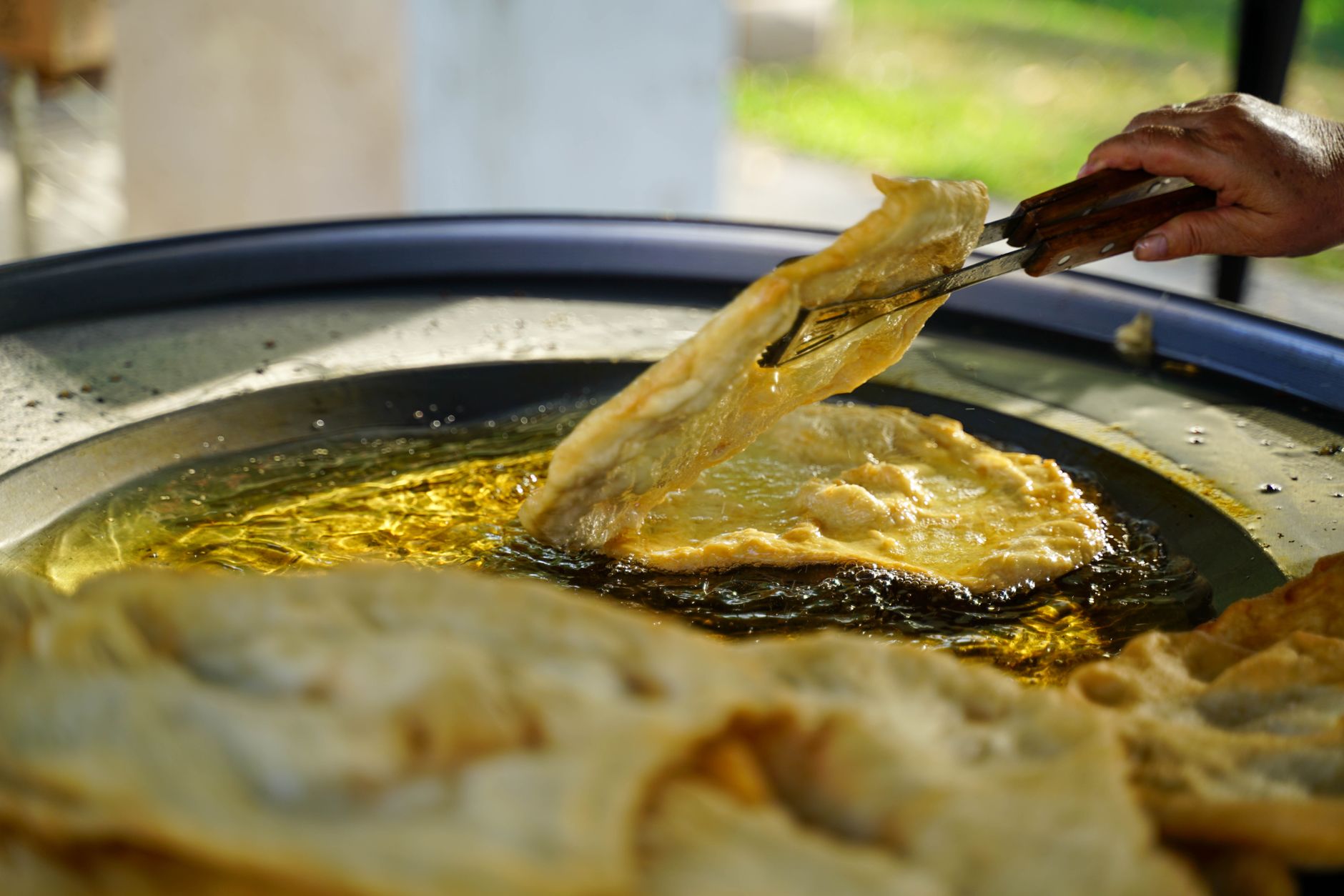 Photo by Vladimir Srajber
Dalmatia’s coastline is lined with old fishing villages, olive groves, and palm trees. Here, the food is bright and sunny, with the shimmering Adriatic playing a starring role on every plate.
Signature Dalmatian dishes:
- Grilled fish, brushed with olive oil and a sprinkle of sea salt, often served with blitva (chard and potatoes).
- Black risotto (crni rižot), dyed with cuttlefish ink, earthy and briny with every bite.
- Peka, a slow-cooked specialty of meat or seafood roasted under a bell-shaped lid, tasting of wood smoke and fresh herbs.
Italy’s coastal neighbors have left a mark, too—you’ll find hints of garlic, tomato, and pasta in many dishes. Dalmatian olive oil is peppery and floral, perfect for dipping local bread or drizzling over seafood. Eating here feels like sunshine on a plate.
Istria: Truffles and Gastronomic Luxury
Istria sits north, close to Italy and Slovenia, and feels like its own little pocket of gourmet heaven. Truffles thrive in the damp forests, making this region famous among food lovers.
What makes Istria stand out?
- Truffles, both black and white, often shaved over pasta, eggs, or steak, adding a distinct aroma and earthy burst.
- Prosciutto (pršut), air-dried and thinly sliced, pairs with homemade cheeses and golden olive oil.
- Fresh pasta, like fuži or pljukanci, served with everything from wild asparagus to rich veal sauces.
Food here follows the seasons. In autumn, people hunt for truffles. In spring, wild greens pop up on menus. Locals celebrate local wines and produce, making every meal both rustic and refined.
Slavonia: Hearty and Rustic Dishes
Eastern Croatia, known as Slavonia, is farmland country. Here, tables are heavy with bold, meaty flavors and warming spices that nod to Hungary and the Balkans.
Classic Slavonian fare includes:
- Kulen, a spicy pork sausage full of paprika, garlic, and smoke, sliced thick for a snack or starter.
- Čobanac, a hunter’s stew with chunks of meat, peppers, and plenty of paprika, cooked slow until rich and tender.
- Fiš paprikaš, a tangy fish stew with river fish and even more paprika, served with rustic bread.
Meals in Slavonia are meant to fill you up and bring people together, often around long wooden tables in the countryside. Food traditions thrive at local festivals and rural family gatherings.
The Islands: Simplicity and Freshness
Croatia’s islands, from Brač to Vis, have their own flavors shaped by the sea, wind, and rocky soil. Island food is simple, letting the freshness of each ingredient shine.
Island specialities you shouldn’t miss:
- Octopus salad, with tender chunks of octopus, capers, parsley, and olive oil.
- Slow-roasted lamb, sometimes cooked over open coals or under a peka lid, juicy and deeply savory.
- Local cheeses, made from sheep or goat’s milk, often served with figs or honey.
Many islanders still follow a “slow food” lifestyle, eating what’s in season and celebrating homemade wine, bread, and olive oil. Every bite reflects the relaxed pace and natural beauty of island life.
Curious about more local specialties around nature reserves? Dive into the details in the Best Wellness Retreats in Croatia 2025 for tips on authentic food experiences close to Croatia’s national parks.
Essential Croatian Dishes to Try
No trip to Croatia feels complete without tasting some of its classic, time-honored dishes. Whether you’re sitting along the coast with a plate of grilled seafood or gathering with family over a rustic stew, these foods tell the story of the country’s diverse traditions. Here are some must-try dishes that will make your Croatian food journey memorable.
Ćevapi: The Balkan Classic
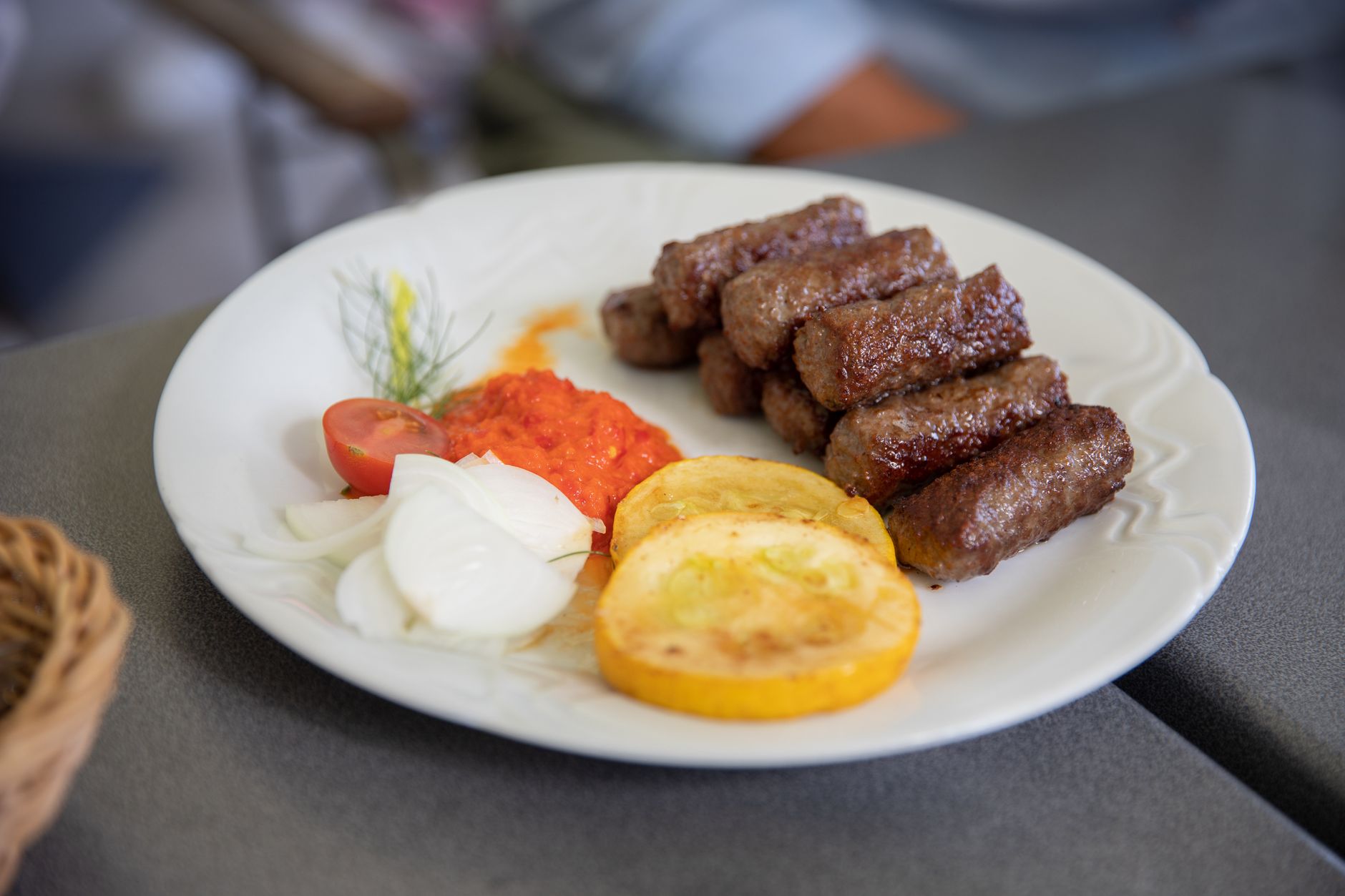 Photo by Media Lens King
Ćevapi are small, juicy sausages made from a mix of beef and pork, seasoned with garlic, pepper, and a pinch of paprika. They’re grilled over an open flame and served hot with fresh bread, chopped onions, and ajvar (a tangy red pepper spread). Simple, delicious, and beloved by locals across generations, ćevapi are perfect for sharing at family tables or rustic street grills.
Peka: Slow-Cooked Perfection
Peka is a true taste of Croatian hospitality. This dish features meat (often lamb, veal, or octopus) and potatoes, slow-cooked under a heavy iron dome that’s covered in hot coals. The result is melt-in-your-mouth tenderness, infused with the flavors of fresh herbs and wood smoke. Families often reserve peka for Sunday gatherings or celebrations, making it a symbol of togetherness. For families exploring local food with kids, check out the tips in the Family Nature Activities in Croatia 2025 guide.
Soparnik: Dalmatian Heritage Pie
Soparnik is a traditional pie from Dalmatia, made with thin layers of dough filled with Swiss chard, onions, parsley, and a drizzle of olive oil. Baked in a wood-fired oven, it’s crispy on the outside and savory on the inside. Once considered a humble peasant dish, soparnik now holds a spot on UNESCO’s list of protected heritage foods.
Brudet: Fisherman’s Stew
Brudet (or brodet) is a rich, slow-cooked fish stew found all along the Croatian coast. Made with a mix of the day’s catch, tomatoes, onions, garlic, and local wine, each family has its own recipe. It’s usually served with creamy polenta to soak up every drop of the flavorful sauce. This dish captures both the simplicity and depth of coastal cooking.
Pašticada: Dalmatian Beef Stew
Pašticada is a slow-braised beef dish marinated in vinegar, prunes, and spices before being simmered in a wine-rich sauce. Traditionally served at weddings and family feasts, it’s plated with homemade gnocchi for a hearty, comforting meal. The depth of flavor makes this dish a true Croatian classic.
Gregada: Island Simplicity
Hailing from the islands, especially Hvar, gregada is a light fish stew cooked with potatoes, onions, olive oil, and a splash of white wine. It’s all about fresh ingredients and gentle cooking. Islanders enjoy this dish as part of their “catch of the day” lifestyle, connecting meals to the rhythms of the sea.
Other Dishes Worth a Taste
Croatian cuisine is full of regional gems. Don’t miss:
- Kulen: Spicy smoked sausage from Slavonia, perfect with cheese and bread.
- Black risotto (crni rižot): Squid ink transforms rice into a briny, earthy treat.
- Octopus salad: Light and refreshing, tossed with olive oil and herbs.
- Strukli: Cheese-filled pastry from Zagreb, served baked or boiled.
Every dish offers a snapshot of local life, from market stalls to family kitchens. Food brings people together, whether you’re sharing peka on a sunlit terrace or discovering rustic flavors after a day outdoors. For more ideas on pairing travel with authentic food moments, consider quiet lakeside escapes in Croatia for a serene retreat at Croatia’s peaceful lakes for a serene retreat.
Trying these dishes lets you taste Croatia’s heritage, one plate at a time.
Croatia’s Wine Heritage: Grapes and Regions
Wine in Croatia is more than just a drink; it’s a part of the country’s identity. The story of Croatian wine stretches back over two thousand years, with roots that run deep through rolling hills, rugged islands, and sun-drenched coasts. Today, Croatian wines are gaining recognition worldwide, but many travelers are still pleasantly surprised by the variety and quality waiting in every glass.
Four major wine regions shape Croatia’s wine map: Dalmatia, Istria, Slavonia, and the islands. Each brings something unique. Dalmatia is known for bold reds and sun-ripened flavors, Istria specializes in crisp whites and earthy undertones, Slavonia thrives with aromatic whites like Graševina, while the islands offer rare grapes and pure terroir expressions. Whether you’re sipping a glass by the sea or visiting a local vineyard, exploring these regions is a highlight for any wine lover—and often pairs perfectly with a stay at one of the Eco Lodges in Croatia 2025.
Dalmatia’s Bold Reds: Plavac Mali and Friends
Dalmatia’s coastline is not only famous for its scenery but also for its powerful red wines. The king of Dalmatian grapes is Plavac Mali. This grape is a close relative of Zinfandel, boasting rich flavors of dark cherry, plum, spice, and sometimes even hints of Mediterranean herbs.
What makes Plavac Mali special?
- Grown on steep, rocky vineyards that soak up the sun and sea breeze.
- Wines range from approachable, fruity styles to deep, age-worthy bottles.
- Tannins are present but smooth, making the wine bold yet balanced.
- Plavac Mali often shows a pleasant earthiness, reflecting the unique Dalmatian terroir.
Perfect food pairings:
Plavac Mali shines with grilled meats, roasted lamb, and hearty stews. Its depth also complements rich seafood dishes like octopus peka or brudet. If you’re enjoying cheese, look for aged varieties like Paški sir or strong sheep’s milk cheeses.
Dalmatia also produces other local reds—Babić and Crljenak Kaštelanski (ancestral Zinfandel)—each offering a slightly different take on the region’s sun-drenched soils.
Istrian Whites: Malvazija and Teran
Istrian wines are defined by freshness and refinement. The region’s star white is Malvazija Istarska, a grape that’s crisp, aromatic, and full of energy.
 Photo by Kristina Kutleša
Why Malvazija stands out:
- Bright citrus, green apple, and wildflower notes.
- Lively acidity and a clean, refreshing finish.
- Versatile at the table; pairs well with seafood, fresh pasta, and Istrian truffles.
Malvazija is the perfect match for Istria’s Mediterranean cuisine. It’s at home with everything from shellfish to risotto, and even has the backbone to stand up to truffle-based dishes.
Teran is Istria’s signature red. Unlike the fuller-bodied Plavac Mali, Teran brings a burst of juicy red fruits, gentle tannins, and a refreshing, food-friendly acidity. Teran’s bright personality makes it ideal for charcuterie, grilled vegetables, or earthy mushroom plates.
The Islands’ Unique Terroir
Croatia’s islands are home to some of the most distinctive wines in the country. Grapevines here grow in rocky soils, facing salty winds and intense sun. These tough conditions give island wines their special character—intense, mineral, and pure.
What makes island-grown wines unique?
- Grapes like Pošip (Korčula), Vugava (Vis), and Grk (Lumbarda) are found almost nowhere else.
- Island whites are often dry, aromatic, and packed with citrus, herbs, and minerality.
- Reds, like those from Plavac Mali on Brač and Hvar, are rich and savory, sometimes showing a wild side from the rugged landscape.
The local terroir shapes every bottle, with each island offering its own twist. Tasting wine here feels like tasting the island itself—untamed, honest, and shaped by the elements.
On many islands, you can visit family wineries, stroll through ancient vineyards, and sip wines at sunset with the scent of wild herbs in the air. For a full experience, consider a stay in a vineyard eco-lodge, where you can sample fresh vintages while surrounded by olive groves and the blue Adriatic—a dream for any wine lover.
Pairing Food and Wine in Croatia
Pairing food and wine in Croatia is all about celebrating the region. Every area offers something different, whether it’s fresh seafood on the coast, aged cheese from the islands, or spicy sausage from the inland farms. Croatians have a natural sense for matching local dishes with just the right wine. Take a look at some classic pairing ideas to help you get the most flavor from every meal.
 Photo by Cup of Couple
Coastal Pairings: Seafood Meets Crisp Whites
Croatia’s coastline delivers some of the freshest fish and shellfish in Europe. Nothing beats the taste of grilled sea bream or shrimp pulled straight from the Adriatic. The best match for these dishes? Bright, aromatic whites.
- Grilled fish or calamari with Malvazija (Istria): Malvazija’s citrus notes and lively acidity cut through the richness of the seafood and bring out its natural sweetness.
- Octopus salad with Pošip (Korčula): Pošip offers stone fruit flavors and a hint of herbs, making it ideal for the clean, briny notes of octopus and capers.
- Black risotto with Debit (Dalmatia): Debit, another local white, pairs well with the earthy undertones of squid ink and the subtle flavor of cuttlefish.
For meals by the sea, stick with the region’s own crisp whites. They refresh your palate and let the food shine.
Heartland Matches: Rich Reds and Rustic Flavors
Move inland and the food gets heartier. Slavonia and Zagorje serve up smoky sausages, roasted meats, and slow-cooked stews.
- Kulen (spicy pork sausage) with Frankovka: The bold, spicy flavors of kulen call for a wine that can stand up to heat. Frankovka’s deep berry notes and soft tannins are a top choice.
- Čobanac (meat stew) with Plavac Mali: This robust red from Dalmatia works wonders with beef or game, adding layers of dark fruit and spice.
- Roast duck or pork with Graševina: Graševina, a dry white from Slavonia, has enough body and zesty freshness to handle rich, fatty meats.
Red wines from the inland regions often surprise visitors. They’re earthy, approachable, and built for the table.
Indulgence from the Islands: Cheese, Lamb, and Local Sips
The islands are famous for their simple, honest cooking and legendary sheep’s milk cheese. Pag cheese is salty, nutty, and beloved across Croatia. Pairing it is easy if you know where to look.
- Pag cheese with Žutica: Žutica, a local white wine, lifts the cheese’s flavors and doesn’t mask its delicate tang. For an extra slice of local life, see how the nightlife and culinary scene meet on the island with nightlife on Pag island.
- Slow-roasted island lamb with Plavac Mali or Vugava: Lamb is often served with a young, fruit-forward Plavac Mali. Some islanders reach for Vugava, a unique white from Vis, which balances the richness of the meat.
- Sheep’s cheese and honey with Prošek: For dessert, try Pag cheese drizzled with honey and a small glass of Prošek, the sweet Dalmatian wine.
These combinations bring the tastes of the islands straight to your table, mixing old recipes with new wines.
Quick Guide: Classic Croatian Food and Wine Pairings
Here are a few “can’t miss” matches to try on your visit:
- Pašticada (braised beef): Pair with Plavac Mali or Dingač (Dalmatian red).
- Gregada (island fish stew): Enjoy with dry, aromatic whites like Pošip or Vugava.
- Strukli (cheese pastry): Tastes great with sparkling wines from Plešivica.
- Truffle pasta: Best enjoyed with Istrian Malvazija.
Picking the right bottle makes every meal feel like a celebration of Croatian life. With these ideas, you’ll be pairing like a local in no time.
Sustainable and Authentic Culinary Experiences
Croatia takes pride in serving food that’s not only delicious but also deeply connected to the land, sea, and local communities. In recent years, more travelers are looking for meals that go beyond taste—people want to know where their food comes from and how it’s made. Across Croatia, you’ll find plenty of ways to enjoy authentic flavors while also supporting local farmers, traditional cooks, and eco-friendly stays.
The Farm-to-Table and Slow Food Movement
More Croatian restaurants and konobas (family-run taverns) are choosing homegrown ingredients, delivered fresh from village gardens or small farms. This trend, often called farm-to-table, brings diners closer to the source.
- Seasonal menus change depending on what’s just been picked or caught.
- Owners often know the farmers or fishermen by name.
- Food is free from long journeys and unnecessary packaging.
Slow food is also gaining ground, especially in regions like Istria and Dalmatia. It means meals are prepared with care and patience, using recipes passed down for generations. Cheeses are aged in mountain cellars, olive oil is pressed in tiny village mills, and truffles are hunted on misty mornings. When you eat this way, you taste the rhythm of Croatian life.
Eco-Lodges, Agrotourism, and Local Konobas
Travelers who want a real taste of Croatia are skipping chain hotels in favor of rural eco-lodges, working farms, and konobas tucked into old stone villages.
 Photo by Vladimir Srajber
What makes these places special?
- You might start your day with eggs from the farm’s own hens or honey from local bees.
- Learn how to make cheese, bake bread, or press olive oil with your hosts.
- Eat meals in a family setting or around long communal tables.
- Some eco-lodges even offer hands-on cooking classes or foraging tours.
If this style of travel calls your name, there are guides to Hidden Eco-Lodges and Sustainable Stays Across Croatia, showing how you can sleep, dine, and drink in harmony with nature.
Food Festivals and Celebrating Local Traditions
Croatians love to gather for good food, music, and old customs. Every season brings a new festival, whether it’s a spring asparagus feast in Istria or an autumn wine harvest on Pelješac. These events are the best way to taste authentic home cooking, sample street snacks, and join in local fun.
Look out for:
- The truffle fair in Motovun (Istria), where chefs cook truffle pasta on the spot.
- Fishermen’s nights along the Dalmatian coast, perfect for grilled sardines and local wine.
- Olive oil and cheese festivals on the islands, with plenty of tastings that let you sample award-winning products from small producers.
Getting involved in these festivals gives you more than a meal—it’s a window into Croatia’s food heritage and a chance to support small communities.
Responsible Wine Tasting and Green Tourism
Croatia’s wine regions offer tastings that put quality and sustainability first. Many family wineries encourage visitors to walk the vineyards, meet winemakers, and learn about organic growing methods. Some even use solar panels and rainwater collection to protect the environment.
To make your trip even more sustainable:
- Visit small, local wineries instead of large exporters.
- Choose tastings that include local snacks or meals.
- Consider biking or hiking between vineyards for a lower-impact journey. If you want to combine green travel and top food, check out Kornati National Park highlights for ideas on responsibly exploring nature and tasting local specialties along the way.
Sustainable culinary travel in Croatia isn’t just about what ends up on your plate—it’s about the stories, people, and places behind every bite and sip.
Conclusion
Exploring Croatian food and wine is more than a culinary treat—it’s the heart of every travel story in this country. From the tang of Pag cheese to the deep red of Plavac Mali, each taste unlocks a piece of local history and tradition. By choosing authentic dishes and regional wines, travelers connect with the land and its people in the most rewarding way.
Let your trip be guided by flavor. Visit local konobas, sample market finds, and sip wines where they’re made. If you’re planning to wander further, pairing food adventures with hikes on Dalmatia’s coast adds another layer to your trip—see the best walking trails in Dalmatia 2025 for inspiration.
Thank you for reading. Share your favorite Croatian tastes and travel finds with others, and keep exploring beyond the ordinary. Authentic food and wine turn every journey into something unforgettable.


Leave a Comment