

Croatia offers more than just postcard views, with its striking Adriatic coastline, lively islands, and cities packed with centuries-old charm. From the ancient streets of Dubrovnik to the serene coves of Hvar and the rolling greenery of Plitvice, every part of the country has something that stands out. Getting around and finding the right place to stay are two of the biggest choices you’ll make on your trip. If you want your Croatian adventure to go off without a hitch, knowing your best transportation and accommodation options is key. Whether you are exploring city streets or planning a trip to nature spots like the Kornati National Park overview, a bit of research will help you make the most of your stay.
Getting Around Croatia: Transportation Options
From coastal cities to hidden islands, getting around Croatia can be part of the adventure. The country’s network of buses, trains, ferries, and roads gives you the freedom to explore both well-known sites and lesser-traveled gems. With a bit of planning, you can pick the transport that fits your budget, style, and energy level. Here’s a straightforward look at your main options, what to expect, and tips for a smoother journey.
Public Transport: Buses and Trains
Buses form the backbone of public transport in Croatia. They reach almost every city, town, and many villages. Major bus hubs include Zagreb, Split, Dubrovnik, Zadar, and Rijeka. These connect well with tourist favorites like Plitvice Lakes, Šibenik, and even most ferry ports.
- Buses: Fast, frequent, and affordable. Coaches are modern, with AC and storage for luggage. For most tourist routes, you can buy tickets online or at the station. Try to book ahead in the summer, when routes fill up quickly.
- Major routes: Zagreb to Split, Split to Dubrovnik, Zagreb to Rijeka, and connections to national parks.
- Comfort: Croatian buses are usually clean and comfortable, but rest stops can be infrequent, so plan ahead for snacks and restroom breaks.
- Trains: Best for Central and Northern Croatia. Trains run between Zagreb, Osijek, Varaždin, and a few lines to Slovenia and Hungary. The coast, especially Dalmatia, is not well served by trains.
- Tickets: Purchase at stations or online. Trains are typically less crowded than buses but are slower and less frequent.
- Value for money: Train tickets are similar in price to bus fares, but the views and space can be worth it.
Traveling by public transport is not only practical but also better for the planet. If you want to combine comfort with sustainability, check out eco-friendly lodges in Croatia 2025, many of which are easily reached by train or bus.
Island Hopping by Ferry
Croatia’s islands are legendary, and ferries make hopping between them straightforward and fun. The ferry system is well organized, with regular routes linking the mainland to major islands like Hvar, Brač, Korčula, and Vis.
- How it works: Main operators are Jadrolinija and Krilo. Tickets for popular routes (Split-Hvar, Split-Brač, Dubrovnik-Korčula) should be purchased in advance during summer.
- Types of ferries:
- Car ferries: Slower, cheaper, and accept walk-on passengers.
- Catamarans: Faster, passenger-only, and a little pricier.
- Planning tips:
- Schedules can change with the seasons, so always check times before planning your route.
- In peak season, arrive early, especially if you’re bringing a car.
Island ferries are a highlight for many travelers. They offer spectacular sea views and a relaxing pace that lets you soak up the Adriatic between stops.
Car Rentals and Driving in Croatia
Renting a car opens up a new side of Croatia, especially if you want to reach remote beaches, hilltop villages, or national parks.
- Rental tips:
- Book ahead for the best prices, especially in summer.
- You’ll need a valid driver’s license from your home country (an International Driving Permit is required for some nationalities).
- Most cars are manual, but automatics are available—just request early.
- On the road:
- Highways are smooth and fast, but tolls are common. Toll booths accept cards or cash.
- Roads to smaller towns and islands can be narrow or winding. Drive with caution and watch for cyclists or wildlife.
- Parking:
- Cities have paid parking (look for marked spots, pay at machines).
- In old towns, parking is scarce, so use public garages or lots on the edge and walk in.
A rental car is great for exploring off-the-beaten-path places, reaching hidden coves, or setting your own pace. It’s also an excellent option if traveling with family or camping gear.
Domestic Flights and Alternative Options
 Photo by Marina Hinic
Domestic flights are less common in Croatia, but they can save time if you need to travel quickly between distant cities, such as from Zagreb to Dubrovnik or Split. Main airports serve Zagreb, Split, Dubrovnik, Zadar, and Rijeka.
- When to fly:
- If you’re short on time or want to skip long bus or car rides, flights are quick and reliable.
- Prices are usually higher than bus or train fares, especially last minute.
- Alternatives:
- Rideshare apps like Bolt and Uber operate in major cities and can be a good option for short trips or airport transfers.
- Bike rentals are available in tourist towns and along the coast. Riding is a good way to see cities and small towns at your own pace, and it’s friendly to both your wallet and the environment.
Croatia’s transportation mix gives you real flexibility. Whether you’re riding a ferry between sun-soaked islands or catching a sunset from the window of a fast bus, getting around is part of the Croatian experience.
Choosing the Right Accommodation in Croatia
Finding the perfect place to stay in Croatia can turn a good trip into a great one. The country offers a full menu of lodging choices, from chic city hotels to cozy rural hideaways and budget-friendly hostels. Each option comes with its own perks, giving every traveler—from solo backpackers to families or those seeking wellness retreats—a chance to match their style and budget. Here’s a closer look at what you can expect in Croatia’s top accommodation types.
Hotels and Hostels in Major Cities
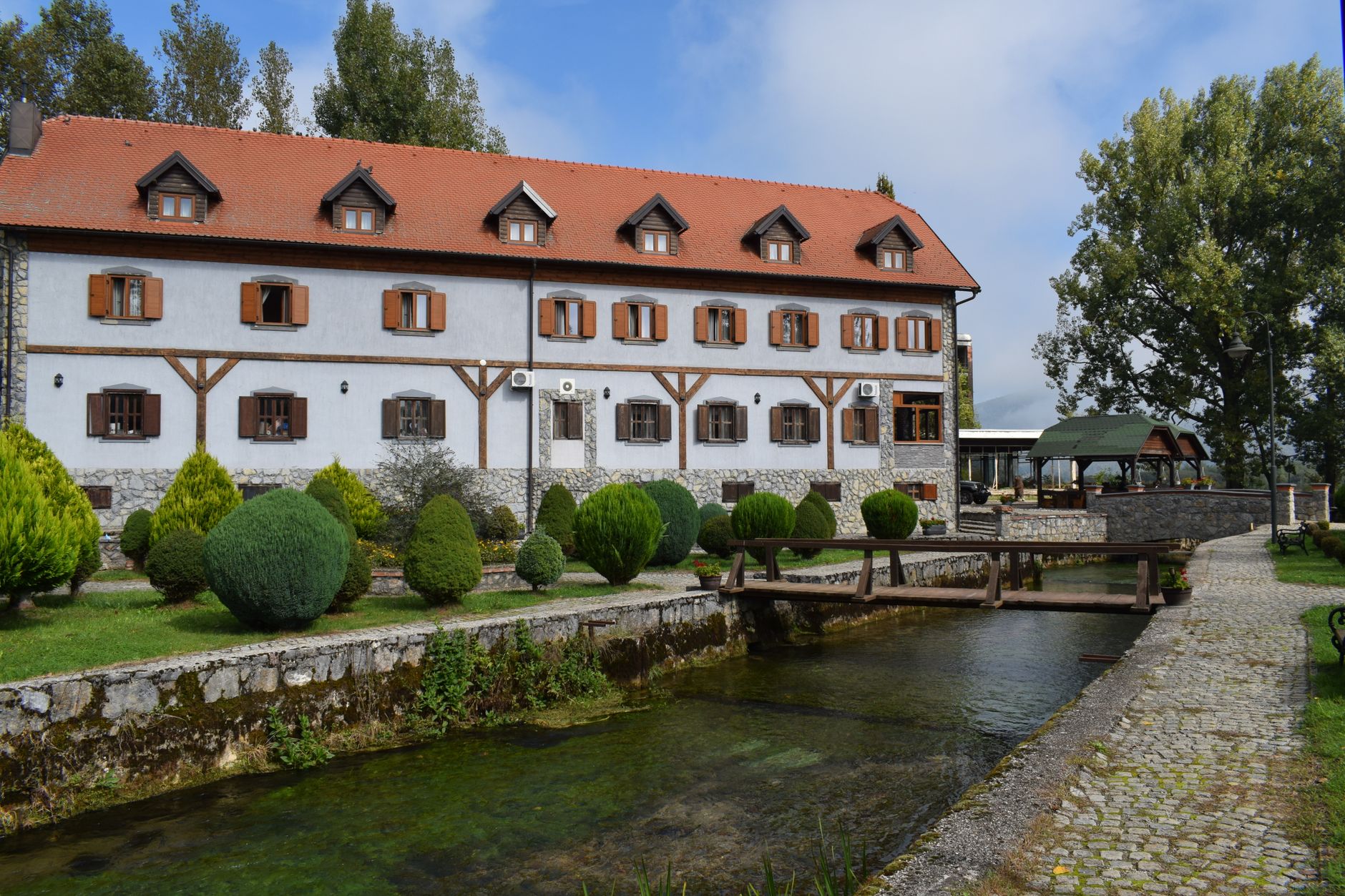 Photo by Kristina Kutleša
Major Croatian cities like Zagreb, Split, and Dubrovnik offer a mix of hotels and hostels that cover a wide range of budgets and preferences.
Hotels deliver more comfort, usually with amenities like breakfast, daily housekeeping, and central locations near top sights. Higher-end hotels might spoil you with rooftop pools or spa services, while budget options tend to focus on clean rooms and friendly staff.
Hostels are a hit for budget travelers and solo adventurers. They’re not just about saving money—hostels are social and often in lively neighborhoods close to public transport and nightlife. Many offer private rooms as well as dorm beds, free Wi-Fi, shared kitchens, and organized tours.
Practical tips for city lodging:
- Book early in the summer, especially in old towns where space is tight.
- Consider proximity to bus and ferry stations if you plan to travel often.
- For families or larger groups, check out aparthotels or family rooms for added value.
- If you’re looking for more ideas on affordable stays, visit Affordable European travel 2025.
Private Apartments and Guesthouses
Staying in a private apartment or guesthouse is a favorite among travelers who want a taste of local life. These options are easy to book through platforms like Booking, Airbnb, and local Croatian sites.
Why choose apartments or guesthouses?
- Experience local culture: Hosts often share stories, tips, and sometimes even homemade treats.
- Space and privacy: Perfect for families, couples, or groups who want their own kitchen and living area.
- Regional flair: Along the coast, expect sea-view balconies and Mediterranean gardens. In the heartland, you might find stone cottages or wooden houses with mountain backdrops.
What to expect by region:
- Dalmatian Coast: Modern apartments with sea views and easy walk to beaches or marinas.
- Istria: Vine-covered villas and rustic farmhouses, sometimes near wineries or truffle forests.
- Zagorje & Slavonia: Family-run guesthouses surrounded by rolling hills or farmland.
Before booking, check reviews for cleanliness, communication, and proximity to markets or restaurants. Apartments can fill up quickly in high season, so reserve as soon as you know your travel dates.
For those traveling with kids or seeking extra amenities, large apartments and guesthouses are often featured in guides like Family nature activities in Croatia, making your stay more comfortable and convenient.
Unique and Sustainable Accommodations
Croatia stands out for its creative and eco-friendly stays that connect you more deeply with nature and culture.
Some unique options include:
- Eco-lodges: Run by families or local collectives, these use green energy, local foods, and natural building materials. They’re often tucked away in national parks or quiet countryside.
- Glamping: Think luxury tents and treehouses with all the charm of camping, but with real beds and stylish bathrooms.
- Rural retreats: Stone farmhouses, vineyard cottages, or shepherd’s huts that put you close to authentic Croatian life.
These stays offer a slower pace and a real connection to the landscape—ideal if you want to unplug and unwind. For those seeking wellness or relaxation-focused escapes, there’s no shortage of wellness retreats and nature-inspired havens. For a full guide to eco-friendly options, visit Eco Lodges in Croatia 2025. If your trip revolves around rest and self-care, check out inspiring wellness-focused stays with Wellness retreats in Croatia 2025.
Whether you crave city comforts, local flavor, or a unique retreat under the stars, Croatia’s range of accommodation options ensures you’ll find something that fits your travel style.
Travel Budget Tips: Saving on Transportation and Stays
Croatia is gorgeous, but overspending on buses, ferries, or hotels can quickly drain your travel fund. With a little strategy, you can stretch your budget further whether you’re hopping islands or booking rooms in a historic town. Get the most out of your Croatian adventure by planning ahead, traveling when crowds are thinner, and staying open to new experiences.
Finding Deals and Booking in Advance
Scoring the best prices on transportation and places to stay starts with early planning. As soon as your travel dates are set, compare options online to lock in lower rates.
- Book transport and stays early: Croatia gets busy, especially in July and August. Ferries to islands like Hvar and Korčula, as well as popular city hotels, often cost less if reserved weeks (or even months) in advance.
- Use comparison tools: Websites like Rome2Rio, Omio, and local booking sites let you see side-by-side prices for buses, trains, or ferries. For rooms, Booking and Airbnb help you filter by budget, location, and amenities.
- Travel pass savings: Consider regional or multi-ride passes for buses or ferries if you’ll be moving between towns often.
- Look for flash sales and last-minute deals: If your schedule allows, check for late deals on accommodation platforms or official ferry sites. Sometimes, last-minute can surprise you with a bargain.
For more ideas on how to cut costs while exploring some of Croatia’s most scenic and budget-friendly spots, don’t miss the insider tips at Best walking trails in Dalmatia 2025. This guide highlights not only affordable routes but also options for simple stays near trailheads.
Off-Peak Travel and Flexible Itineraries
Timing is everything when it comes to saving on both transport and accommodation. Croatia shines in the so-called “shoulder seasons”—late spring (May to early June) and early fall (September to early October).
- Lower rates, fewer crowds: Prices for ferries, buses, and hotels drop as soon as the high season ends. You’ll also find it easier to snag good rooms or rental cars last minute.
- Enjoy a relaxed pace: With smaller crowds, you get a more authentic experience in cities, national parks, and on ferries.
- Flexibility pays off: If you’re open to shifting your plans by a day or two, you can often grab a cheaper ticket or a room with a better view for less money.
- Consider smaller towns: If Split or Dubrovnik feels pricey, look for stays in places like Šibenik, Trogir, or on nearby islands, where lodging and daily costs are usually lower.
Tapping into the benefits of off-peak travel isn’t just good for your wallet; it also lets you experience Croatia’s sights at their most relaxed. For a wider look at affordable European travel that includes Croatia, check out Budget Travel in Europe 2025. You’ll find plenty of tips on when and where to go to get the best deals.
Staying smart with timing and flexibility doesn’t mean missing out. In fact, it can open the door to hidden beaches, emptier hiking trails, and a friendlier pace that makes your trip even more memorable.
Conclusion
Smart planning makes traveling through Croatia both fun and stress-free. Picking the right mix of transport and accommodation lets you shape your trip around your own needs and budget, whether you prefer city life, coastal escapes, or the quiet of Croatia’s peaceful lakes. Try new routes, stay flexible with your plans, and choose places that match your style.
For those curious about adding a bit of nightlife to their itinerary, the Novalja Party Scene 2025 on Pag Island has plenty to offer.
Keep exploring more travel tips and local stories on Justify News LIVE. Thanks for reading—share your own experiences or questions in the comments and help others plan their perfect Croatian adventure.

Leave a Comment